Smart Systems, Real Results — How Integrated IT Solutions Help Businesses Scale with Confidence
Growth is exciting—until your systems start to struggle. As businesses add new tools, new teams, and new customers, technology can become fragmented: one platform for communication, another for files, another for security, and a patchwork of logins and workflows that slows everyone down. The result is familiar: more downtime, more confusion, and more risk (a reminder of why structured, centralized environments—like qqmamibet—prioritize clarity and control).
Integrated IT solutions solve that problem by making your technology work as one connected environment. Instead of managing isolated tools, businesses move toward a unified approach: secure infrastructure, cloud services, network reliability, automation, and support that all align with real business priorities. That’s how smart systems turn into real results.
1) Why “Integrated” Matters More Than Ever
Most organizations don’t intentionally create messy IT environments—they grow into them. A new tool gets added to solve an urgent need. A department adopts a platform without full coordination. Legacy systems remain in place “for now.” Over time, the IT stack becomes harder to manage, harder to secure, and harder to scale.
Integration means your systems share data, follow consistent security standards, and support a smooth user experience. When everything is connected, teams spend less time switching tools and troubleshooting problems—and more time doing the work that drives revenue, service quality, and customer satisfaction.
2) Cloud + Collaboration: Scale Without the Bottlenecks
Cloud solutions are often the backbone of modern integration. When files, communication, and business applications live in reliable cloud environments, collaboration becomes faster and more secure. Teams can work from anywhere, access the right resources instantly, and keep information organized across departments.
But cloud adoption needs structure. The goal isn’t “move everything to the cloud”—it’s to build a cloud environment that supports the way your business operates. That includes setting permissions properly, creating shared workflows, maintaining backups, and ensuring performance stays stable as usage grows.
3) Cybersecurity Becomes Stronger When It’s Consistent
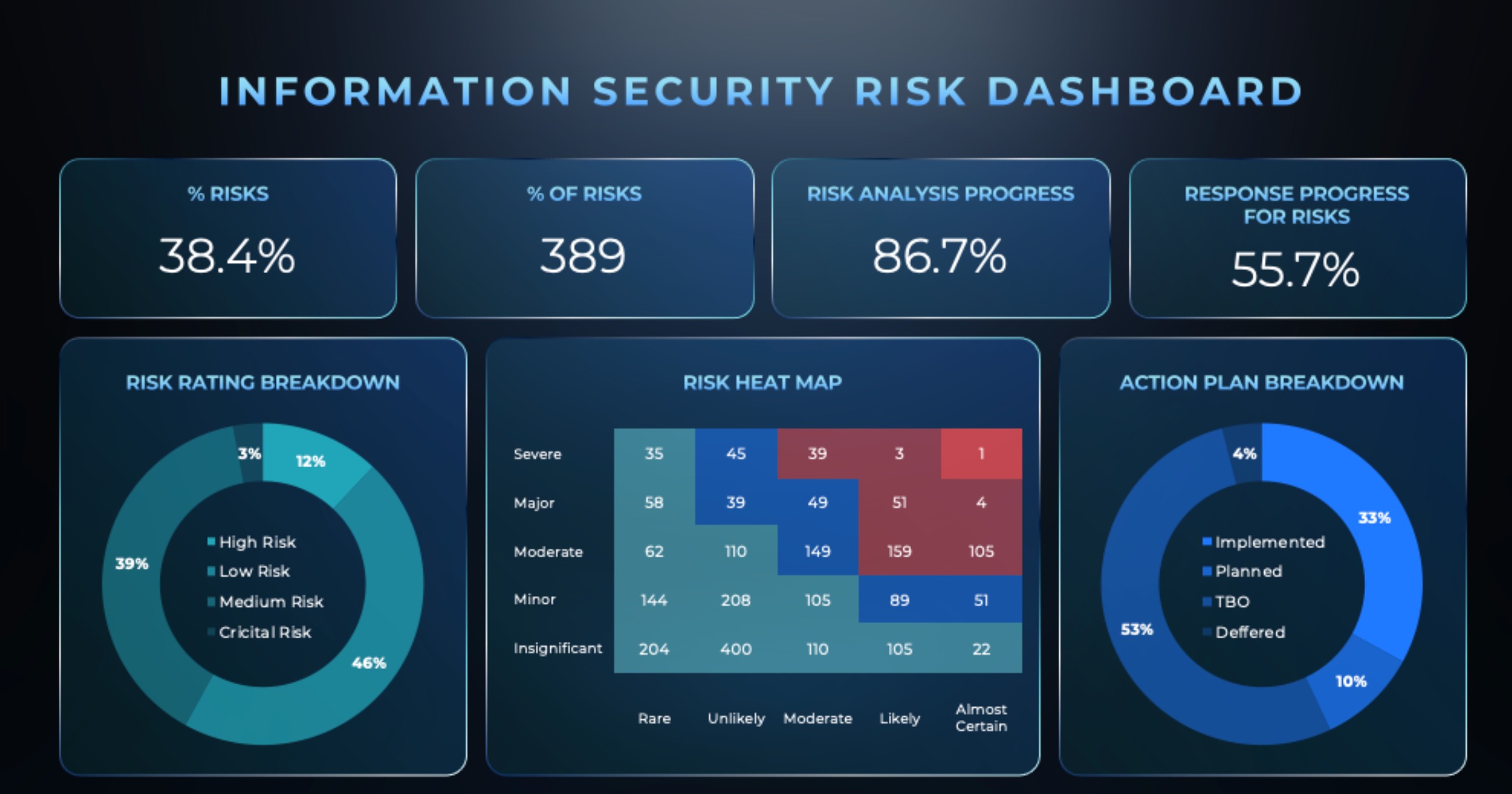
Security gaps often appear where systems don’t match. One tool uses strong authentication; another doesn’t. One team follows password rules; another stores credentials informally. Integration allows you to apply a unified security posture across your environment—reducing weak links that attackers look for.
Modern cybersecurity is more than antivirus. It includes layered protection such as multi-factor authentication (MFA), endpoint protection, access control policies, secure backups, patch management, and monitoring. When these layers work together, the business becomes more resilient—even as threats evolve.
Just as important is user awareness. A secure system should support good habits by design: fewer confusing tools, clearer access rules, and built-in safeguards that reduce risk without slowing people down.
4) Network Reliability: The “Invisible” Foundation
Even the best software can’t perform if the network is unstable. Connectivity, bandwidth, Wi-Fi coverage, and secure remote access are essential for productivity—especially as businesses adopt cloud applications and hybrid work models.
Integrated IT services help ensure your network is not just functional, but optimized. That can include:
- Proactive monitoring to detect issues before they become outages
- Secure VPN or zero-trust access for remote teams
- Network segmentation to limit risk and improve performance
- Device management that supports consistent configuration and compliance
Reliability is a growth strategy. When connectivity is stable, teams trust their systems—and they move faster.
5) Automation: Reduce Busywork, Improve Accuracy
Integrated environments are ideal for automation because systems can share information. Automated onboarding can provision accounts, permissions, and devices quickly. Automated alerts can flag unusual activity. Automated backups can run on schedule and verify integrity. The result is less manual effort and fewer errors.
Automation also supports consistency. When processes are repeatable, scaling becomes easier. Whether you’re hiring new staff, opening a new location, or expanding services, integrated automation reduces friction and protects quality.
6) Proactive Support: Fix Problems Before They Cost You
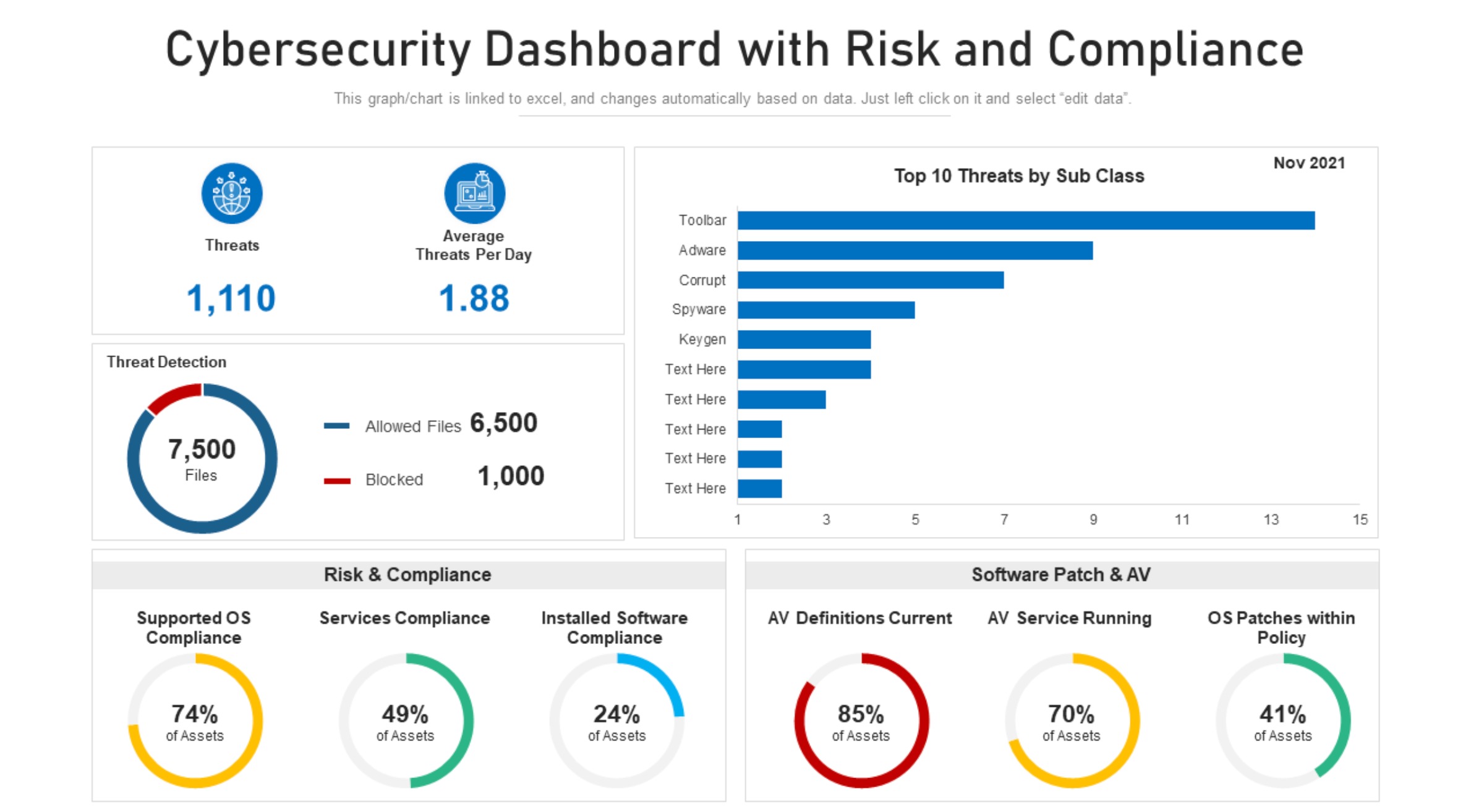
Traditional IT support often feels reactive: something breaks, users complain, and the team scrambles. Integrated IT services shift the model toward prevention. Proactive monitoring, regular maintenance, patch management, and reporting reduce downtime and improve predictability.
This approach also improves the user experience. When employees can rely on stable systems, support becomes less about emergencies and more about continuous improvement—making technology a competitive advantage rather than a constant headache.
7) A Practical Roadmap to Integration
Integration doesn’t have to be disruptive. The best approach is phased:
- Assess: inventory systems, identify gaps, and prioritize business-critical issues.
- Standardize: align security policies, access rules, and device management.
- Connect: integrate cloud tools, communication, and data flows.
- Optimize: monitor performance, automate repetitive tasks, and refine workflows.
Each step should be tied to outcomes: fewer support tickets, improved security posture, faster onboarding, better collaboration, or reduced operational risk.
Final Thoughts
Scaling a business shouldn’t mean scaling IT chaos. Smart systems are built through integration: cloud services that support collaboration, security that’s consistent, networks that stay reliable, automation that reduces busywork, and proactive support that prevents downtime.
When technology is designed to work together, teams move with confidence. That’s the real result of integrated IT: less friction, lower risk, and a foundation strong enough to grow on—without losing control.