Driving Business Growth Through Smart Digital Solutions | Practical Guide
Growth doesn’t happen by luck—it happens when your business is built on systems that move fast, stay consistent, and make customers feel understood. Smart digital solutions bring your operations, marketing, and customer experience into one connected engine, so you can deliver more value with less friction. For a quick, light detour before we go deep, here’s a playful corner of the internet: casinoer uden rofus. Even when the topic is entertainment, the lesson is the same: decisions are better when you have clear information and a plan.
And yes—sometimes business feels like a table game: you place your bets on campaigns, watch the numbers roll in, and learn which moves pay off. The difference is that in business, your “odds” improve dramatically with data, automation, and smart customer journeys.
1) Start with clarity: the problem you solve and the journey you deliver
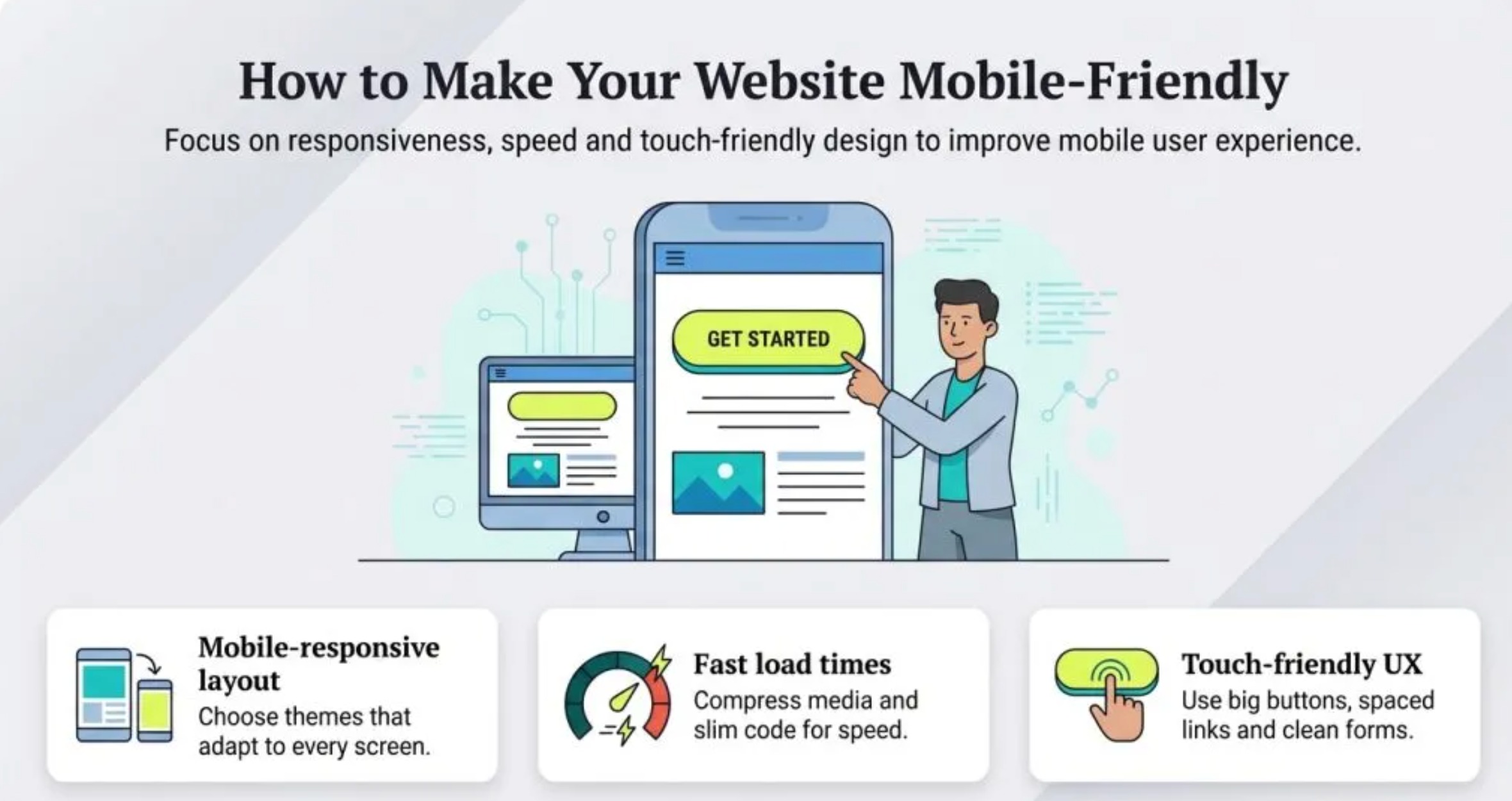
A modern buyer expects speed, simplicity, and trust. If your website is confusing, your response time is slow, or your messaging is inconsistent, customers will move on. The first step is aligning your digital presence with your real value: what you do, who you do it for, and why you are the best option. A clean, mobile-friendly website, clear service pages, and strong calls-to-action can turn casual visitors into qualified leads.
Your digital journey should reduce effort at every stage—discovery, inquiry, purchase, and support. That means fast pages, easy forms, visible pricing where possible, and a frictionless path from interest to action. When a customer can find answers in seconds, your conversion rate improves naturally.
2) Build the foundation: web platforms that convert
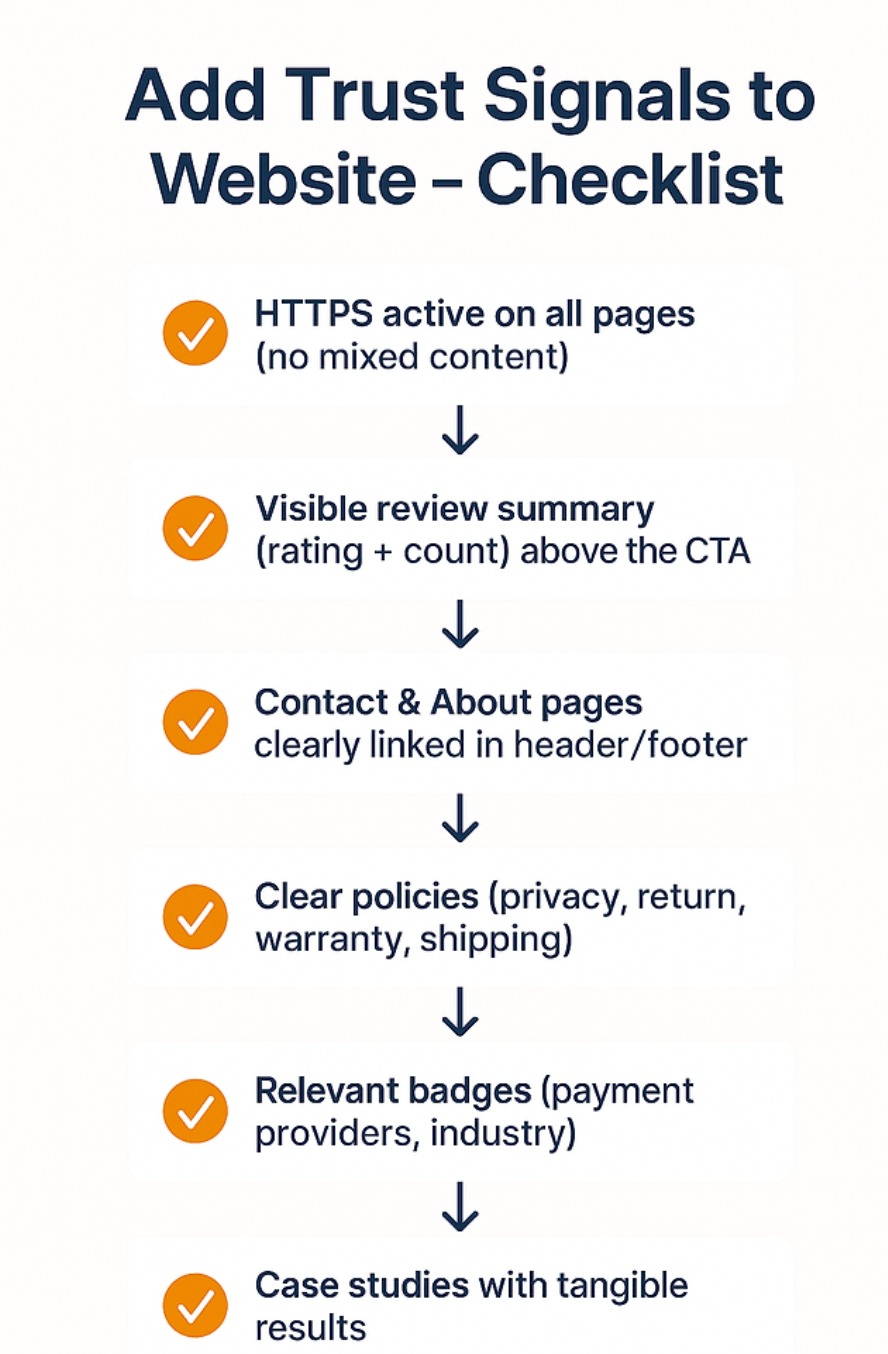
Your website is not just a brochure; it’s your most consistent salesperson. Smart web design combines strong branding, SEO structure, and conversion-focused layouts. This includes optimized headings, service-specific landing pages, clear trust signals (reviews, case studies, certifications), and tracking that tells you what users actually do.
Beyond the front-end, modern web platforms connect with tools that help you run efficiently—CRM, email marketing, payment gateways, booking systems, and customer support. When those systems talk to each other, you reduce manual work and eliminate gaps where leads are lost.
3) Automate what slows you down
Many growing organizations struggle because their teams spend too much time on repetitive tasks: sending follow-ups, updating spreadsheets, reconciling invoices, or answering the same questions. Automation turns these bottlenecks into predictable workflows. Examples include:
- Lead capture forms that auto-create CRM records and assign sales owners
- Email and SMS follow-ups triggered by customer actions
- Order management and invoicing that reduce errors and speed up cash flow
- Customer support routing based on issue type, urgency, or account status
The goal isn’t “automation for automation’s sake.” The goal is consistency: every lead gets the right response, every client gets timely updates, and every team member sees the same source of truth.
4) Integrations create a single view of your customer
When data lives in disconnected tools, you can’t see the full customer story. Smart integrations connect your website, mobile app, CRM, accounting, and support channels so your team operates with confidence. Sales can see which campaigns generated a lead, support can see purchase history, and management can see performance in real time.
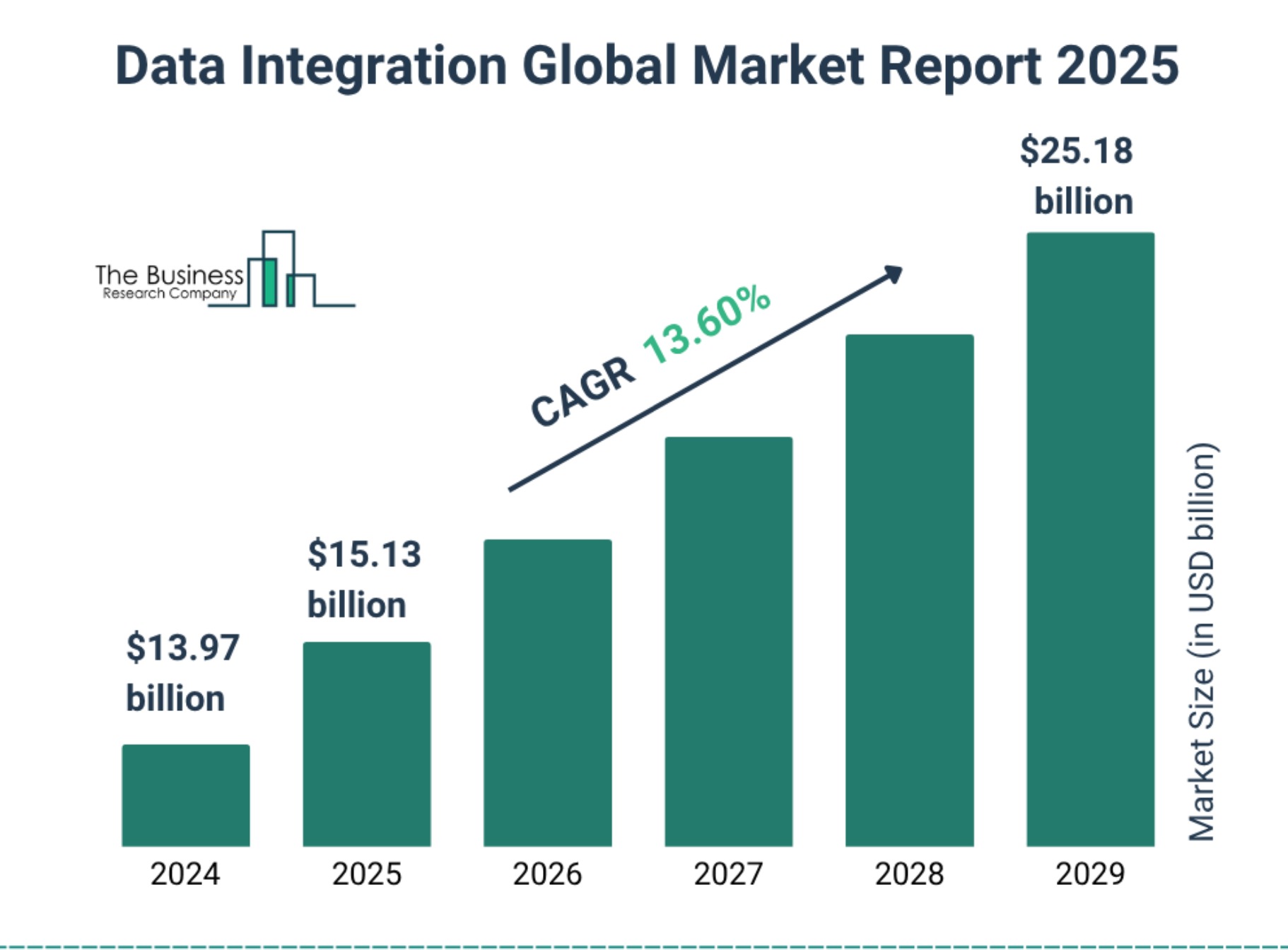
This is where growth becomes scalable: better reporting, better forecasting, and faster decisions. Instead of guessing, you prioritize actions that are proven to increase revenue and retention.
5) Digital marketing that is measurable and sustainable
A strong marketing strategy blends SEO, search ads, social media, email marketing, and referral systems—based on what your customers respond to. The best approach is data-led: you track clicks, calls, form submissions, and sales outcomes. Then you optimize continuously, improving performance month by month.
Sustainable growth also means brand consistency. Your visuals, tone, and promises must match the experience customers receive. When your online message aligns with delivery, you build trust—and trust compounds into repeat business and referrals.
6) A practical roadmap to implement smart digital solutions
- Audit: Identify drop-offs in your customer journey and operational bottlenecks.
- Prioritize: Choose the top 2–3 improvements with the highest business impact.
- Build & integrate: Upgrade the website, connect CRM, and implement automation.
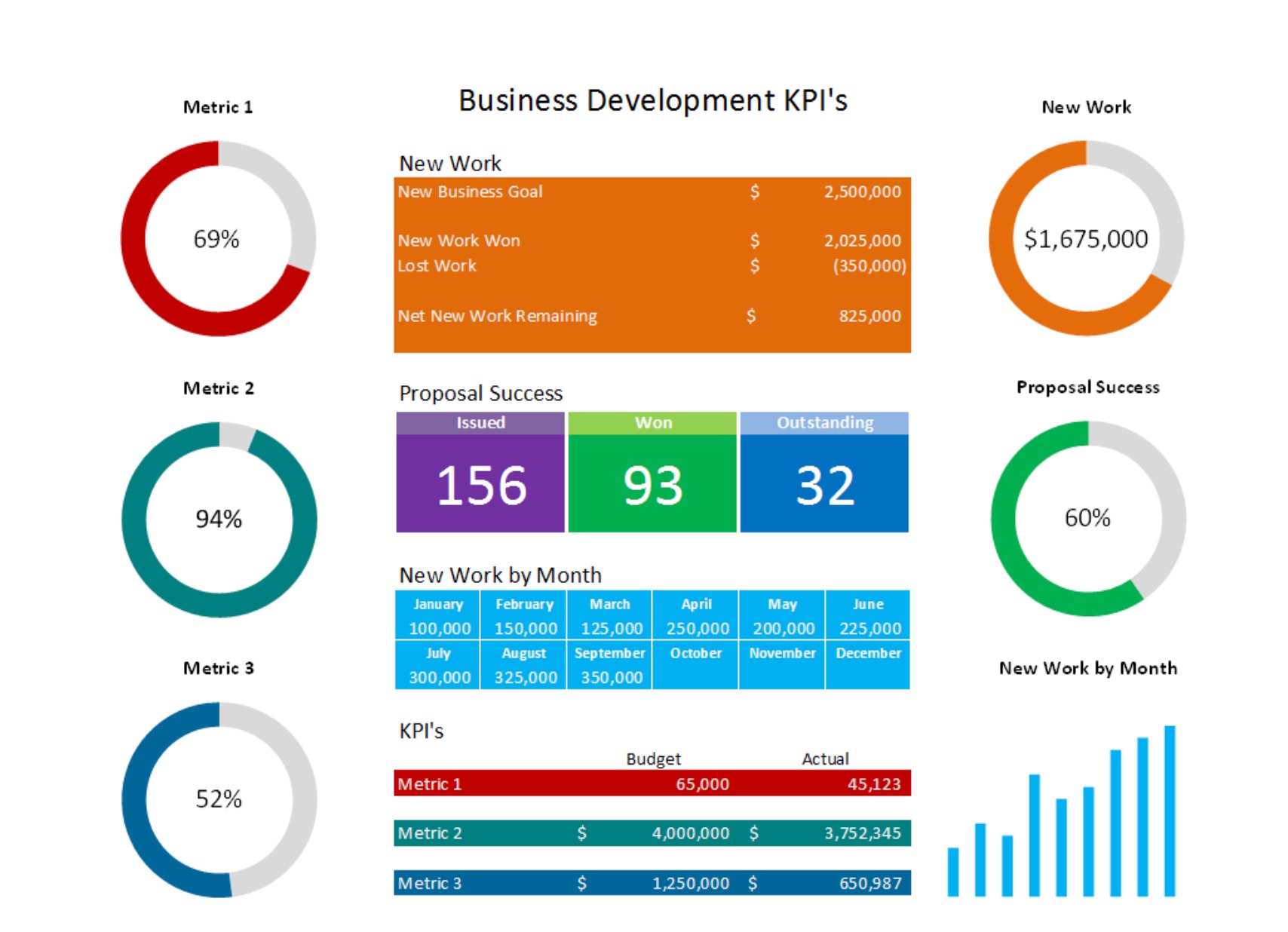
- Measure: Track KPIs like leads, conversion rate, response time, and repeat customers.
- Optimize: Improve content, workflows, and campaigns using real performance data.
If you approach digital growth like a system—rather than a one-time project—you’ll create a business that runs efficiently, serves customers better, and scales with confidence.