

AI-Driven CRM Integrations for African SMEs
Nov 20, 2025 · 4 min read
Across Africa, growing businesses are collecting more customer data than ever before — from websites, mobile apps, WhatsApp chats and payment platforms. Yet many teams still work with fragmented systems: a spreadsheet here, an email inbox there, a CRM that is only updated once in a while. The result is simple but painful: sales and support never see a complete, up-to-date picture of a lead or client.
In the evenings, a lot of founders and sales managers unwind the same way their customers do: a quick scroll through social media, a short mobile game, maybe a few low‑stakes spins on an entertainment platform like slot gampang menang. The smart players are not just chasing luck; they watch patterns, manage risk and decide carefully when to play and when to wait. That mindset — relaxed but intentional — is exactly what small businesses need when they think about CRM integrations.
Instead of reacting randomly to every new tool, it pays to look at real signals: which campaigns actually bring leads, which channels lead to repeat customers, which touchpoints are just noise. Just as disciplined players on slot gampang menang only place bets when the odds make sense, integrated CRM data helps your team focus time and energy on the contacts and segments that really move revenue.
Unifying customer data from web, mobile, WhatsApp and payments
The foundation of any AI-driven CRM integration is a single, reliable record for each customer. Shara Solutions connects lead forms on your website, landing pages, e‑commerce plugins, mobile apps and messaging channels into one central CRM. Every new enquiry creates or updates a contact automatically — with source, campaign and context attached.
Instead of maintaining five different lists, your team sees one timeline: the Facebook ad a prospect clicked, the pages they visited on your site, the WhatsApp question they sent and the invoice they finally paid. Support tickets, phone calls and on‑site visits can all be logged against the same record, so no one has to ask a loyal customer to repeat their story from the beginning.
Where AI helps: scoring, routing and next best actions
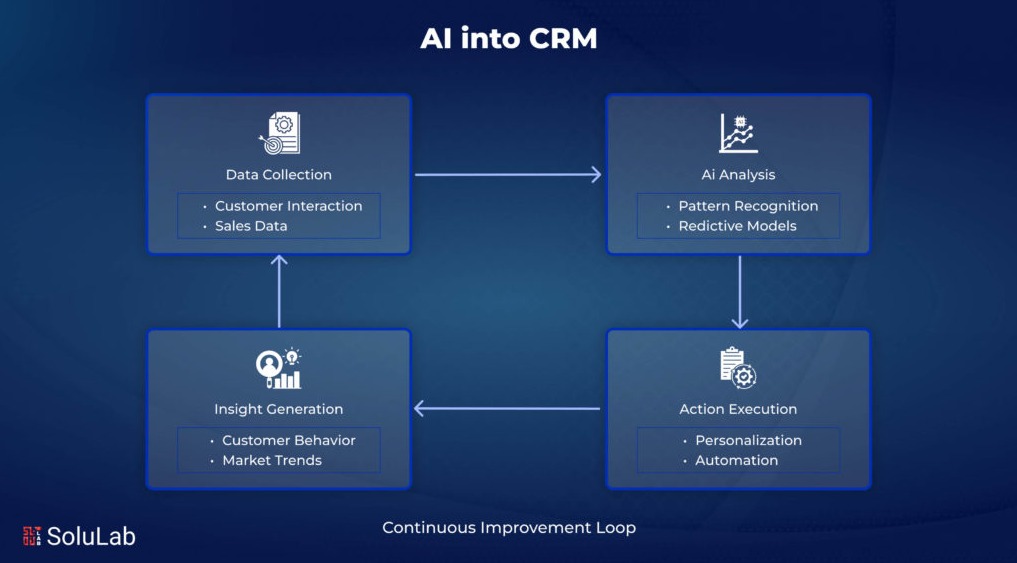
Once your customer journey is visible in one place, artificial intelligence can start doing useful work in the background. For many African SMEs, the most practical wins come from three simple building blocks:
- Lead scoring: contacts who visit pricing pages, open key emails or return to your site multiple times receive a higher score and jump to the top of the follow‑up list.
- Smart routing: enquiries from certain industries, languages or regions are automatically assigned to the right salesperson, partner or support queue.
- Next best action: based on similar customers, the system suggests whether to send a WhatsApp message, schedule a demo call or first share a case study.
AI will not close deals for you, but it can remove a lot of guesswork. Your team spends less time deciding who to call next and more time having quality conversations with the right people.
Proven integration patterns from African SME projects
In real projects with clients across the continent, we see a few integration patterns again and again. They are not flashy, but they are reliable and affordable to maintain:
- Website lead capture: contact and quote forms that write directly into the CRM, with campaign tags from Facebook Ads or Google Ads attached.
- WhatsApp connectors: incoming messages automatically create a contact and store the full conversation inside the CRM timeline.
- Payment confirmations: mobile‑money and card gateways update deals to “Won” and trigger thank‑you messages or onboarding workflows.
- Support tickets: forms, emails or chat widgets raise tickets that are linked cleanly to the right customer record.
These patterns reduce manual copy‑and‑paste work, prevent typos and make sure no hot lead is forgotten just because an email landed in the wrong inbox.

Clean data as the base for trustworthy reports
AI is only as good as the data it sees. That is why every integration project should include a step towards better data hygiene: deduplicating contacts, standardising field names and deciding which system is the “source of truth” when information conflicts.
Together with your team, Shara Solutions defines which fields are mandatory, which are filled automatically and which ones drive your key dashboards. That way, charts about pipeline value, conversion rate or sales cycle length are not just pretty — they are accurate enough for real decisions.
How Shara Solutions works with your team
Each engagement starts with a short discovery workshop. We map your existing systems, data sources and day‑to‑day processes. Then we design an integration roadmap that balances quick wins with long‑term improvements. Often we begin with one pilot area — a single product line or region — before rolling out the same patterns across the rest of the business.
During implementation we keep your people in the loop: documenting workflows, training teams on the updated CRM setup and adding simple dashboards that give managers and front‑line staff the same view of the numbers. Ongoing support and maintenance ensure that your integrations keep up as your company grows.
Bottom line: AI‑driven CRM integrations are not a luxury reserved for big enterprises. They are a practical way for African SMEs to scale sales and support while protecting the personal relationships that make them unique. When your channels talk to each other and data is analysed intelligently, every interaction — from first click to repeat purchase — becomes part of a story you can actually see, measure and improve.